The Nature of Gig Work & Rise of On-Demand Talent
If you want to see what the future of work might look like, start paying attention to the gig economy. The gig economy is teaching us a new way of thinking about work. Gig jobs are short-term, task-based, and flexible, often organised through digital platforms like Fiverr or Upwork. If we pay attention to how gig workers find jobs, get managed, and build their careers, we can see the same pattern spreading into offices and traditional companies.
Gig work shows what happens when jobs break down into smaller tasks. It’s more flexible and far more focused on what you can accomplish right now. Instead of a full‑time role, people take on short projects that match their skills. This is what people mean by on-demand talent: skilled workers available precisely when they’re needed. That same idea now appears in “fractional” roles like fractional CFOs or CMOs, where companies bring in experts for a slice of their time instead of hiring them full‑time. It’s the gig model, applied to higher‑skill, higher‑stakes work.
Some gig workers may do this as a side hustle while others rely on it as a main source of income. But for everyone, it shows what work looks like when it’s no longer tied to a desk or a traditional schedule. The gig economy shows that the future of work is flexible, on-demand, and skill-driven. So maybe it’s time to rethink work itself: how it’s done, who does it, and how we can support it?
In many ways, gig work is the test run for a world built on fractional roles and on‑demand talent. As such, it is exposing leadership challenges that leaders will soon encounter as its core features spill into traditional employment settings. The leadership challenge of the gig economy is adapting to a world where on-demand talent is standard. The following trends show exactly how these dynamics are moving into traditional companies and what leaders must prepare for next.
Trend #1: When Roles Become Fluid and Fragmented
Roles are becoming more fluid not just in the gig economy, but across the entire labour market. Moving forward, work will be less about roles and more about tasks. Organisations will increasingly break projects into discrete pieces that can be picked up by specialists or on-demand talent, just as the gig economy demonstrates. Rather than being anchored in permanent duties, work is increasingly organised as modular activities that are mobilised in real time.
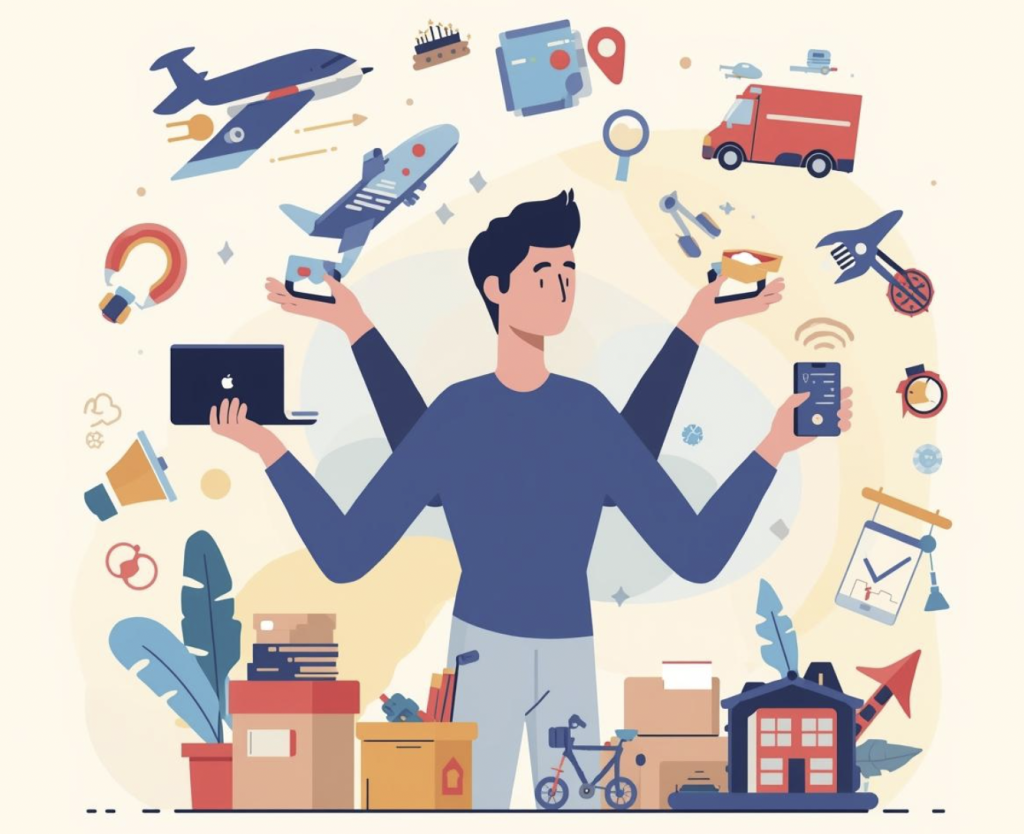
As organisations shift toward hiring for capabilities rather than credentials, the idea of a fixed job description is giving way to work that’s assembled around specific skills. What began on digital platforms is now spilling into classrooms, clinics, creative studios, and corporate offices. Contract‑based professionals, part‑time educators, hourly caregivers, and even high‑skill consultants are already living versions of this new reality: high autonomy, low stability, and a loose connection to any single organisation.
Employment stability is giving way to engagement continuity, where one person may contribute to several teams or companies at once. Workers are embracing the flexibility to choose when, how, and for whom they work. As work becomes more variable and less anchored to a single role, workers must adapt continuously, and leaders must design environments where this fluidity becomes a strength rather than a source of instability.
Trend #2: Algorithmic Management
We are moving from a world where people manage people to a world where the system itself has become the boss. Algorithmic management is no longer just a feature of gig platforms, it’s beginning to shape how work is coordinated, evaluated, and experienced across industries. Today, algorithms embedded in digital platforms assign tasks, track performance, set pay, and even shape schedules.
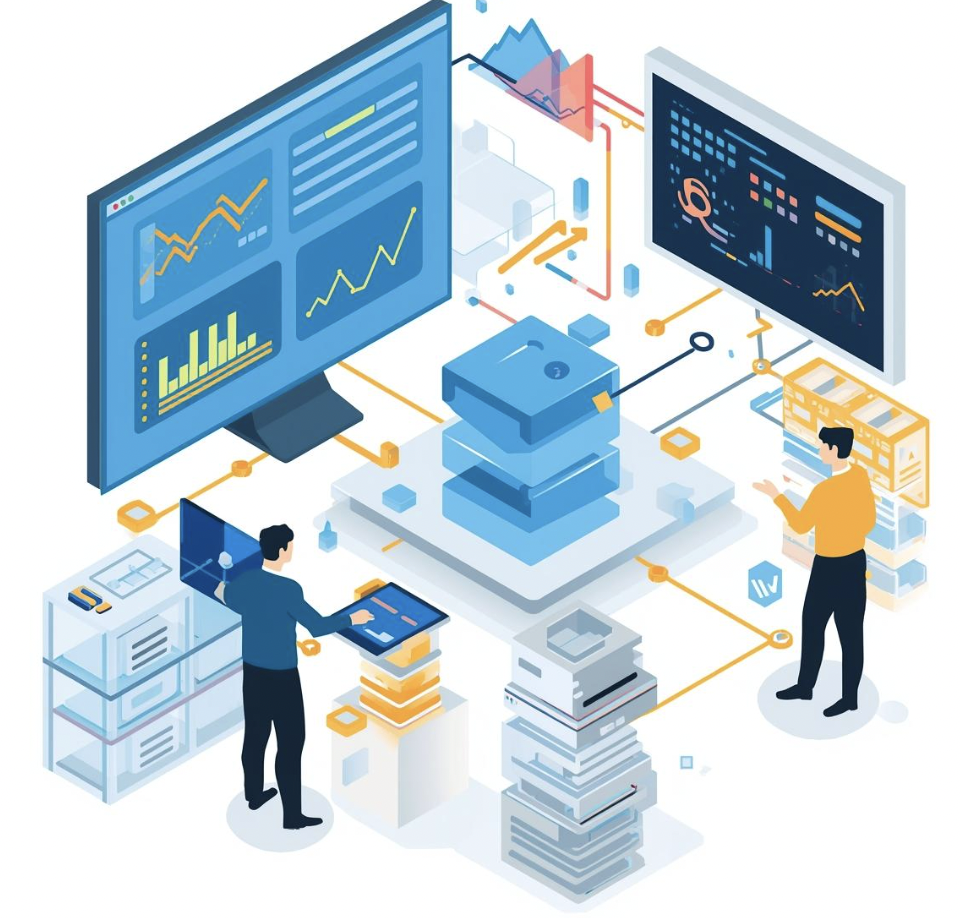
This creates a system that can appear flexible and autonomous but but in practice it often reduces worker control, increases stress, and raises difficult questions about fairness and transparency. By deciding who works on what, when, and under what conditions, the system quietly dictates the terms of engagement and can marginalise workers who don’t fit its logic.
This also creates a very different kind of workplace, where rules, ratings, and automated systems shape behaviour more than face‑to‑face supervision. This shift isn’t limited to gig workers. As companies adopt skill‑based hiring, generative AI, and internal talent marketplaces, algorithmic coordination is moving into traditional organisations too. Employees are increasingly matched to short‑term projects, evaluated through dashboards and guided by workflows rather than managers.
As work becomes system-led rather than manager-led, influence comes less from direct supervision and more from designing the structures, incentives, and processes within the system. Leaders aren’t just giving orders, they are creating the environment where work happens. In the future, your company will be defined by the systems you build to support your people.
Trend #3: When Autonomy Becomes a Burden
Autonomy has long been one of the most attractive features of gig work and it’s increasingly a hallmark of modern work. At its best, autonomy motivates. It lets people define success on their own terms and pursue work aligned with their goals and values. This sense of agency fuels engagement and purpose.
However, the gig economy shows that autonomy is a double-edged sword. Flexibility can feel liberating, yet it often brings hidden pressures. Without stability, clear expectations, or support, freedom quickly turns into stress.
Economic risk shifts to the individual, while traditional buffers like job security, career development, and social support disappear. Gig workers face unpredictable income, shifting schedules, and constant pressure to stay available. Many operate within systems where algorithms assign tasks, evaluate performance, and shape opportunities. The rules feel invisible, and workers often don’t understand how decisions are made.
The result is financial stress, social isolation, and emotional strain. Without teams or managers to absorb setbacks, autonomy can become anxiety, overwork, and burnout. Even the promise of “being your own boss” often masks the reality of juggling multiple platforms, managing customer feedback, and trying to grow a career without the usual structures that support learning.
When autonomy comes without predictability, it stops feeling like freedom. Employees may appear empowered, but they are managing hidden pressures and risks with every decision. For leaders, the lesson is clear: as work becomes more flexible and project-based, people need systems that provide clarity, support well-being, and make autonomy sustainable.
Trend #4: Constructing Identity Across Multiple Workspaces

The rise of gig work and especially side hustles, where people take on paid projects alongside traditional jobs, is reshaping how employees see themselves at work. When there are no stable teams and no consistent managers, employees are left to construct their professional identity largely on their own. Their professional identity is no longer formed inside a shared workplace. Instead, it is assembled across disconnected tasks, short-term teams, and constantly shifting contexts.
This fragmentation weakens organisational attachment. Without stable teams, employees miss out on the small daily moments, like an encouraging smile from a manager or a “good job” from a teammate, that make people feel seen and valued. For those balancing multiple projects, clients, or income streams, professional identity becomes self-authored and shaped by personal values, customer feedback, and individual goals.
This trend is not confined to the gig economy. Traditional organisations are increasingly embracing project‑based work, fluid teams, and even fractional roles. As careers become more flexible and less tied to a single employer, leaders can no longer assume commitment, they have to earn it. Great leadership today is about creating a sense of purpose and making every project feel meaningful. It’s about helping people see that their work matters, that they’re growing their skillset, and that they’re contributing to something bigger.
Identity and engagement no longer sit neatly within organisational walls. The challenge now is aligning people around a shared direction, even as they move between teams and projects. Every person needs to feel respected, valued, and connected to the overall mission because that’s what keeps them invested.
Trend #5: A Boundaryless World & Self-Managed Workpaths
The gig economy has made one thing unmistakably clear: careers are becoming boundaryless. Instead of climbing a single ladder, people now assemble their careers across projects, platforms, and organisations. In the gig economy, workers cannot rely on clear promotion ladders or predictable development paths. Instead, they have had to curate their skills, reputation, and opportunities on their own.
That same pattern is now moving into traditional firms. Career progression is no longer something an organisation can fully script. Employees will move fluidly across teams, assignments, and even employers, accumulating experiences that are valuable but often fragmented. The responsibility for career momentum sits increasingly with the individual, even though the impact of their growth (or stagnation) ripples across the organisation.
This new reality creates a hidden risk: people may look adaptable because they move from project to project, yet many are simply repeating the same level of work. Without a clear path to deepen their skills, learning stalls and confidence erodes. Mobility without development leaves workers feeling busy but stuck.
In a boundaryless career world, continuous learning becomes non‑negotiable because employability is the new currency. People give their best when they can see themselves improving, when they understand how the work moves them closer to where they want to go. Leaders play a critical role in making that possible: turning everyday tasks into learning opportunities, providing timely feedback, and capturing progress while it’s still fresh. As individuals grow, the organisation compounds that growth. The challenge for leaders today is to build ecosystems where people can develop skills, pursue their ambitions, and shape careers that evolve as dynamically as the work itself.
What This Means for Leaders
Everything about the new way of working has a flip side and the gig economy shows us that every big advantage usually comes with a catch. Modern work presents dual realities: agility comes with instability, efficiency with opacity, freedom with uncertainty. Leadership today is about holding these truths together and designing systems that respect these tensions.
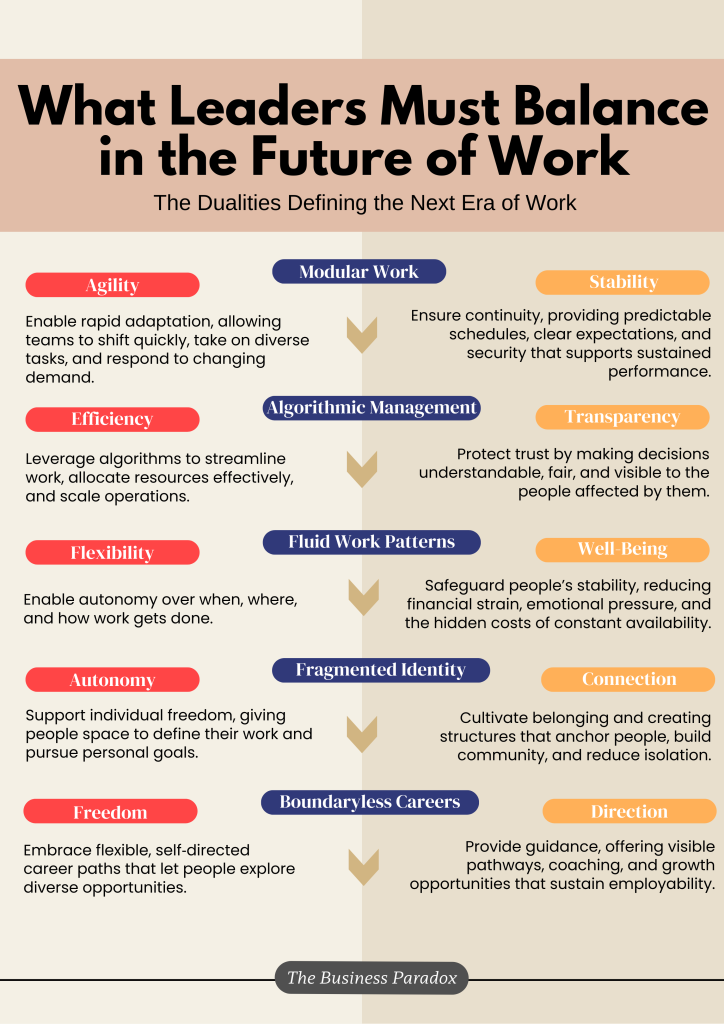
Leaders must intentionally design the future of work. That means investing in learning, creating visible pathways for growth, strengthening belonging, and ensuring that flexibility never comes at the expense of well‑being. When these elements come together, organisations become places where people can grow and remain employable in a fast‑changing world. And in enabling that growth, leaders secure the organisation’s capacity to thrive over the long term.
Conclusion: What Does The Future of Work Look Like?
We are all part of an on‑demand ecosystem now. Even in the most traditional organisations, work is shifting toward projects, not positions. Teams form and dissolve quickly, skills are deployed in real time, and careers increasingly look like evolving portfolios. The gig economy is a signal of where the future of work is heading.
That’s why its lessons matter. The dualities gig workers navigate every day — agility and stability, efficiency and transparency, flexibility and well‑being, autonomy and connection, freedom and direction — are the same tensions leaders will soon need to balance. The gig economy reveals both the vulnerabilities of a fluid workforce and the potential it can unlock.
So what does the future of work look like? It might look less like a place we go and more like a dynamic ecosystem we participate in, where contribution is fluid, careers are self‑directed, and value is created in moments rather than measured in hours.
Leaders who can design systems that hold both sides of these dualities will build organisations that are more resilient and innovative. As work becomes more fluid, the real differentiator will be how meaning, impact, and recognition are created in every moment of contribution.
Stay ahead with exclusive insights! Sign up for our mailing list and never miss an article. Be the first to discover inspiring stories, valuable insights and expert tips – straight to your inbox!