The Promise and Pressure of Doing Business in Singapore
Singapore is widely regarded as one of the best places in the world to start a business. Its efficient systems, strong governance, and pro-business environment attract entrepreneurs from around the world. From fast incorporation to world‑class infrastructure and a concentrated pool of capital and talent, Singapore gives entrepreneurs what they need within one connected ecosystem. Yet, what’s often missed is that speed and efficiency demand precision.
While Singapore makes it easy to set up a company, building a successful one takes far more than registration. Entrepreneurs often stumble when they are caught off guard by competitive hiring costs, nuanced business culture, or strict regulatory and tax requirements. In Singapore’s highly competitive market, seemingly small oversights can rapidly undermine growth. The entrepreneurs who succeed in Singapore move deliberately from day one, invest in trust and alignment, and execute with discipline.
In this article, we’re unpacking seven common mistakes entrepreneurs make when entering Singapore. These lessons are especially critical for international entrepreneurs, as Singapore’s interconnected ecosystem magnifies both good and bad choices.
Why Registration is the Final Step
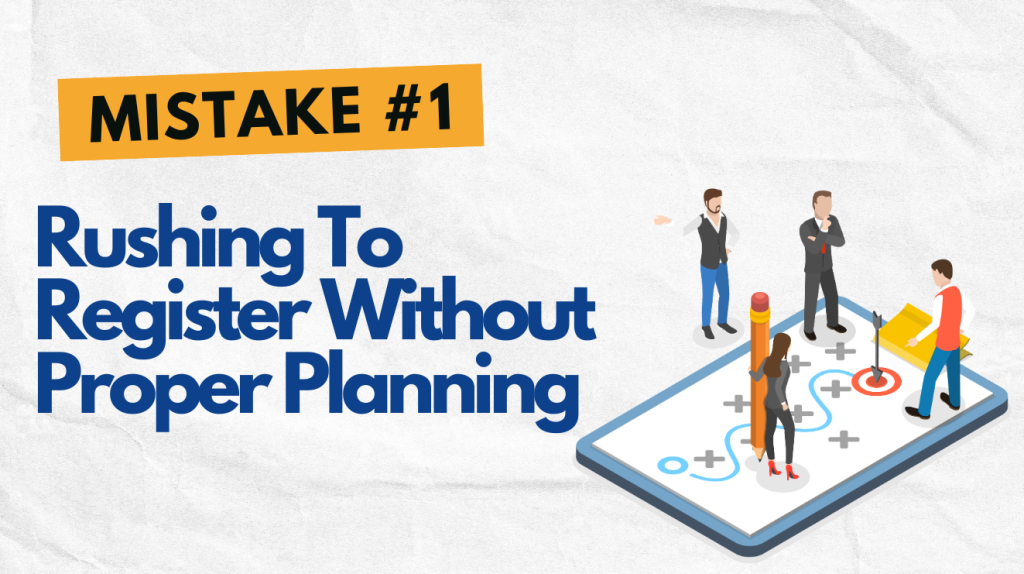
Too many entrepreneurs rush to file the paperwork long before they’ve figured out a plan for the business. Registering with Accounting and Corporate Regulatory Authority (ACRA) is fast, but it should be the final step, not the first. This ease of registration tempts people to set up a company before they have even finalised a strategy. Entrepreneurs who register first and plan later assume they can improvise their way through the early stages. This “figure it out as we go” mindset is one of the most costly mistake in the local startup ecosystem.
The ease of setting up a company in Singapore can unintentionally mislead entrepreneurs into overestimating their readiness for the market. Many get dazzled by the success stories that they forget that the ‘streets’ are already crowded. The same systems that make it easy to start a business also make it easy for everyone else to do the same. Too many businesses in F&B, e-commerce and consulting are chasing too few customers. Jumping into these packed markets without a clear, data-backed plan is a quick way to get stuck.
This challenge is compounded by a tendency to rely too heavily on intuition. Too many entrepreneurs make decisions based on gut instinct or informal conversations rather than structured planning, negotiation competency, or rigorous market testing. Without a strategy grounded in real data like competitor analysis and customer insights, even the most promising venture can quickly lose momentum. In Singapore’s highly competitive landscape, instinct must be supported by data. A solid, data‑driven strategy is what keeps good ideas from collapsing under pressure.
Where Businesses Slip on Singapore’s Tax Rules
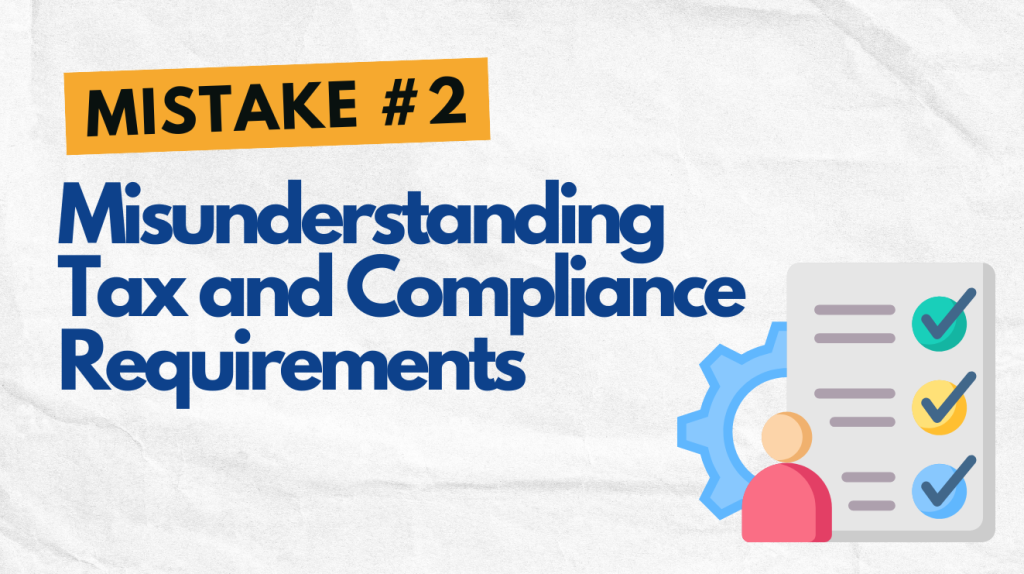
Singapore’s regulatory environment operates on a foundation of trust, supported by strict enforcement. Many entrepreneurs confuse the ease of starting a business with the ease of running one. The moment your UEN is issued, your obligations to ACRA and Inland Revenue Authority of Singapore (IRAS) begin immediately.
With Singapore’s shift to a digital‑first economy, manual invoicing and paper trails are no longer viable. InvoiceNow isn’t just another compliance requirement, it plugs your business directly into a national e‑invoicing network that automates tax reporting and accelerates payment cycles. It keeps your billing accurate, submissions timely, and records aligned with IRAS expectations. In today’s environment, staying compliant means going digital and staying organised from day one.
Entrepreneurs also frequently misjudge the gap between “Accounting Profit” and “Taxable Profit,” overlooking that certain expenses simply aren’t deductible under Singapore law. With the Corporate and Accounting Laws (Amendment) Act in effect, it closes the door on passive leadership. Directors are now personally liable for errors, and the law no longer accepts ignorance as an excuse. Implementing automated, Peppol‑ready accounting systems from the start ensures accurate filings and protects both your capital and your credibility.
Compliance today requires real‑time digital systems that sync directly with government portals and keep your records audit‑ready at all times. In Singapore’s strict regulatory climate, staying ahead of compliance is necessary for staying in business.
Anti‑Corruption Safeguards Isn’t Optional
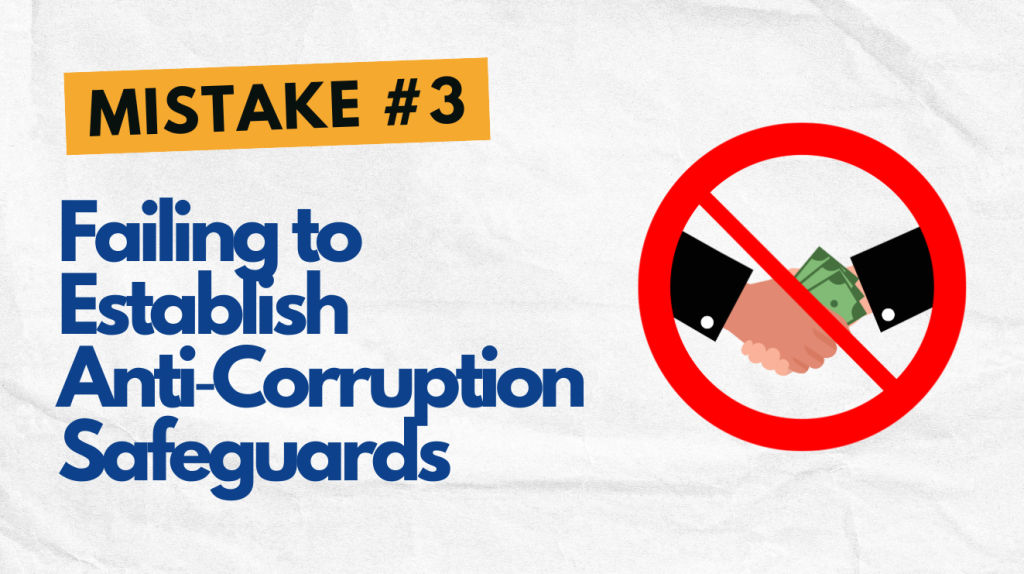
For many foreign entrepreneurs, Singapore’s strict stance on corruption may require an adjustment, especially if they are used to working in markets where “facilitation fees” or small unofficial payments are considered normal. In Singapore, the rules are very different. The Prevention of Corruption Act is enforced with absolute seriousness, and ethical behaviour is a core requirement for doing business here.
Deals are won through performance and transparency, not personal favours or under‑the‑table arrangements. Even a simple, well‑meaning gift to a government officer can trigger a Corrupt Practices Investigation Bureau (CPIB) investigation, with consequences that include heavy fines, jail time, and damage to your company’s reputation.
The importance of anti‑corruption goes beyond avoiding legal trouble. In Singapore’s competitive market, your company’s reputation for integrity will be one of your strongest assets. It affects multiple areas in business, from your ability to secure government support, to opening bank accounts, to attracting skilled local talent. That’s why foreign entrepreneurs need clear internal rules from day one: a proper Code of Conduct, transparent gift‑giving policies, and strict internal controls. In Singapore, staying corruption‑free is a practical safeguard that protects your company and ensures you compete on the strength of your ideas.
Trust Is Built Before Terms Are Agreed
Singapore may move fast, but its business culture is built on something slower and deeper: respect, hierarchy, and long-term trust. Many foreign founders fall into the “transactional trap,” pushing for contracts, timelines, and deliverables before investing in rapport.
In Singapore’s business environment, contracts function as confirmations of established trust rather than entry points for collaboration. Relationships are built through repeated interaction and shared understanding. Rush straight to paperwork, and you may signal impatience or disregard. Without any social investment, even well-intentioned urgency can limit progress early on.
Underpinning Singapore’s hyper-modern economy is a traditional social framework shaped by hierarchy, collectivism, and harmony. Unlike more individualistic Western markets, Singaporean business culture often prioritises the group over the individual. Decisions are rarely made in isolation. Senior leaders are expected to weigh in, consensus must be built, and alignment matters more than individual conviction. What looks like delay is often careful stewardship of relationships.
Word travels fast in a small market, and how you treat people often carries more weight than how polished your pitch deck looks. By listening carefully, negotiating patiently, and showing up in person, you signal that you’re here to build something enduring, not just chase quick wins. In Singapore, momentum comes from patience. The strongest partnerships are cultivated, one interaction at a time.
Understanding the “Kiasu” Work Ethic
One of the most common mistakes entrepreneurs make in Singapore is misunderstanding why Singaporeans work the way they do. Many outsiders read the local kiasu ethic as hustle, but that misses the psychology behind it. Kiasu describes the fear of losing out and it is less about ambition and more about managing risk.
This mindset produces teams that are meticulous and dependable, but also cautious when failure is visible and consequences feel personal. For many employees, work is a place to prove competence and protect their reputation. A wrong move or failed project can feel like it follows you for years. That pressure pushes people toward familiar, proven methods rather than creative risk-taking. What leaders often see as caution is usually self-protection.
In a society where academic results, job titles, and career progression carry lasting weight, kiasu acts as a form of self-insurance. People aren’t trying to beat everyone else, they’re trying not to fall behind. It’s a rational response to a system where progress builds over time and setbacks can be hard to undo.
In Singapore, being a “high performer” often means delivering work that is complete, accurate, and early. Efficiency tends to matter more than boldness, and that shapes work behaviour. Employees optimise for precision and stability because mistakes carry social and professional cost. In today’s economic climate, kiasu isn’t about chasing the highest salary, rather, it’s about securing long-term stability in a world shaped by AI disruption and constant change.
Employees in Singapore look for signals that a company is a safe bet. They pay attention to how leaders make decisions, how teams handle mistakes, and whether risk is managed thoughtfully. When you provide clarity, safety, and structure, the kiasu mindset becomes an asset.
Your Early Hiring Choices Matter
Entrepreneurs assume hiring in Singapore will be easy because it’s a global talent hub. In 2026, the opposite is true. The “war for talent” has become a high‑stakes negotiation, and early‑stage startups enter the ring at a disadvantage. They cannot offer long-term security, they cannot match corporate salaries, and they are recruiting in a city where the cost of living pushes even ambitious candidates toward stability.
Singapore’s high living costs fundamentally shape how people evaluate job opportunities. Candidates aren’t just making career moves, they’re making life decisions. Beyond asking whether a role is interesting and fulfilling, they’re asking whether it can reliably support housing, family plans, and long-term financial security. When everyday expenses are high, joining a startup feels more like a personal risk and financial gamble. As a result, candidates prioritise clear progression, psychological safety, and competent leadership.
Leaders often misread this reality. Many pitch their vision without understanding the candidate’s constraints, haggle over base pay instead of discussing total value, or forget that top talent is assessing them just as rigorously. These mistakes are compounded by information gaps: leaders underestimate financial pressure, while candidates struggle to fully price the risk and potential of an early-stage company. In a market this competitive, those missteps could cost you credibility.
Winning in Singapore’s talent market requires a shift from transactional hiring to deliberate partnership. Recruitment works best when it’s intentional, because the right people shape the culture, momentum, and future of the business. Leaders need to offer clarity, show how the role compounds the candidate’s career, design flexible and transparent incentives, and extend trust to early hires. In this day and age, access to talent isn’t determined by geography, it’s earned through preparation, empathy, and steady leadership.
Aligning Co-Founder and Investor Expectations Early
One of the most damaging mistakes entrepreneurs make in Singapore is treating co-founder and investor relationships as purely transactional. Many founders start by partnering with friends, dividing equity before roles are clear, or accepting capital without aligning expectations.
Early-stage teams often mistake harmony for alignment. When things feel smooth, it’s tempting to assume that ease will scale. Without intentional governance, what looks like unity is often just the absence of pressure. As the organisation grows, decisions become more complex, stakes rise, and informal agreements begin to fray. Governance is the system that keeps disagreements from becoming disasters.
Without it, you’re relying on personal goodwill that can unravel the moment conflict appears. When decision rights, authority boundaries, and conflict pathways are undefined, even small tensions can destabilise the organisation.
Entrepreneurs also underestimate how power and loyalty shift over time. At the start, they hold full control. As capital comes in, voting rights and board seats move to investors whose duty is to the company’s financial performance, not to the founder’s original vision or emotional investment. This shift often triggers tension. Many struggle when boards exercise formal power over strategy, compensation, or even CEO replacement.
Great entrepreneurs treat the choice of co-founders and investors as a strategic decision: they are choosing the people who will shape the company’s future with them. They set clear rules early, align on control and exit, and acknowledge the emotional realities behind every power shift. In a small, tight ecosystem, managing these relationships well is essential for survival.
Conclusion: Thriving in the ‘Little Red Dot’
In the ‘Little Red Dot,’ the margin between setup and success is defined by foresight. Singapore makes incorporation fast, but registering a company is just the beginning. Building the right team, navigating regulations, managing co-founder and investor relationships, and understanding local culture all demand discipline and patience. The earlier you adapt to Singapore’s operational, legal, and cultural norms, the quicker you can unlock the region’s growth opportunities.
To truly thrive in the business landscape in Singapore, remember that the most successful founders are those who:
1. Lay Strong Foundations: Speed doesn’t equal readiness. From governance and accounting systems to hiring strategies and expansion plans, your business must be built to meet the expectations of investors, regulators, and the market.
2. Stay Compliant: In Singapore’s tightly regulated ecosystem, proactive compliance signals credibility. Meeting tax, reporting, and governance obligations protects your reputation and unlocks growth.
3. Bridge Global Ambition with Local Fluency: Success requires more than innovation, it requires understanding and respecting local business norms, cultivating trust, and making decisions that balance boldness with stability.
Singapore thrives at the intersection of global innovation and traditional business values. Founders who master this balance turn operational readiness into tangible results, navigate partnerships with confidence, and convert strategic foresight into long-term impact. In Singapore, opening the door is easy, but foresight, preparation, and cultural fluency are what keep it open.
Stay ahead with exclusive insights! Sign up for our mailing list and never miss an article. Be the first to discover inspiring stories, valuable insights and expert tips – straight to your inbox!